
Expeditions in Congo
Exploring with Kumbu Kumbu Tours
There's nothing casual about travel in the Democratic Republic of Congo.
It requires presence. Awareness. The willingness to step into a place that has not been simplified for you.
Kumbu Kumbu Tours is one of the operators making this kind of travel possible.
Working closely with local communities, guides, and conservation partners, they create structured access to some of the most remote and ecologically important regions in eastern Congo. Their approach is grounded in respect. For the land. For the people. For the reality of the places you are entering.
These tours are one-of-a-kind adventures.
They are experiences that stay with you.
Below are some of the core expeditions they facilitate.

Lake Kivu & Idjwi Island Exploration
About the Experience
Not every expedition in Congo is defined by intensity.
Some are shaped by stillness.
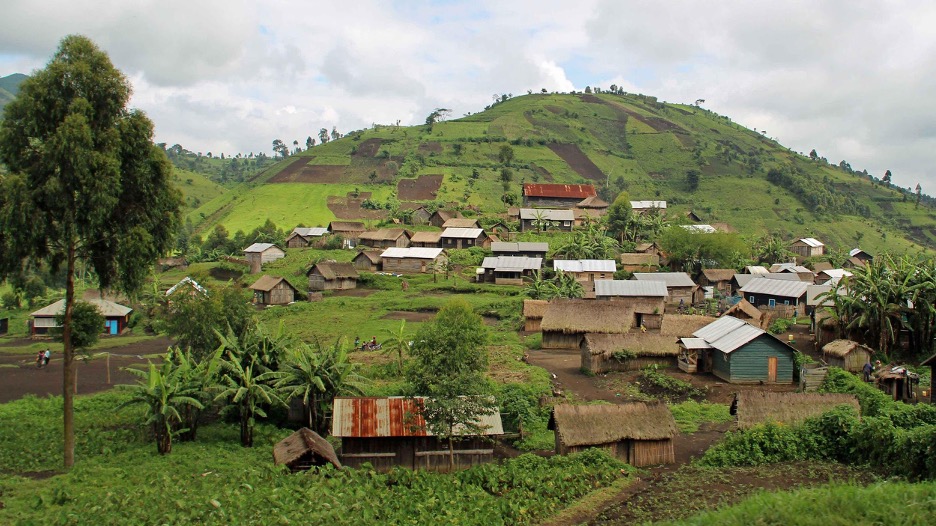
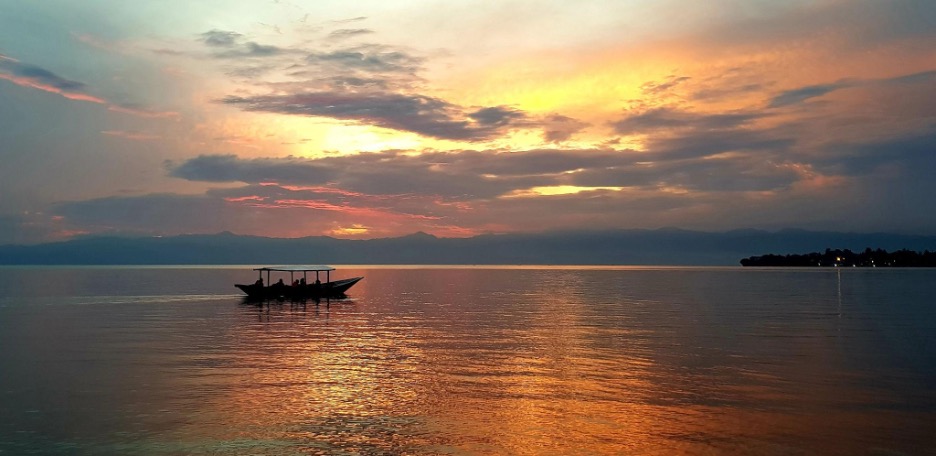
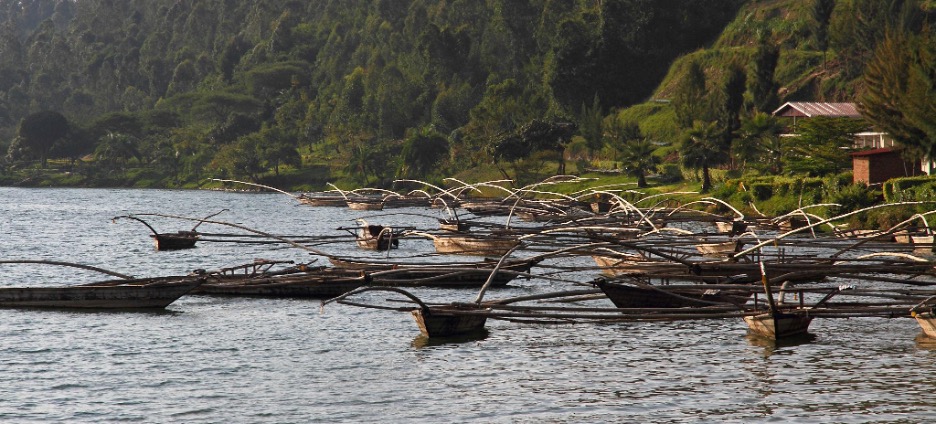
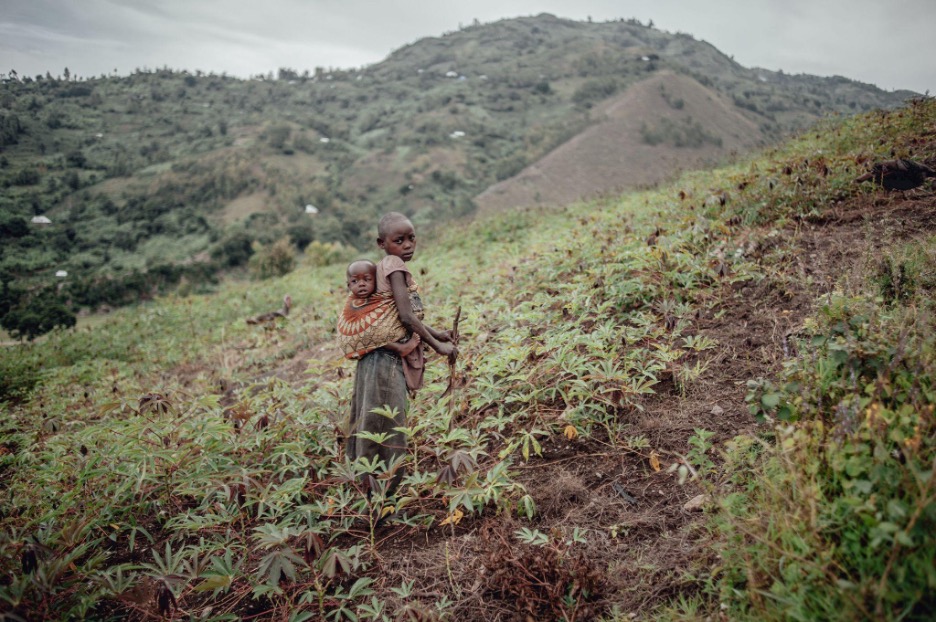
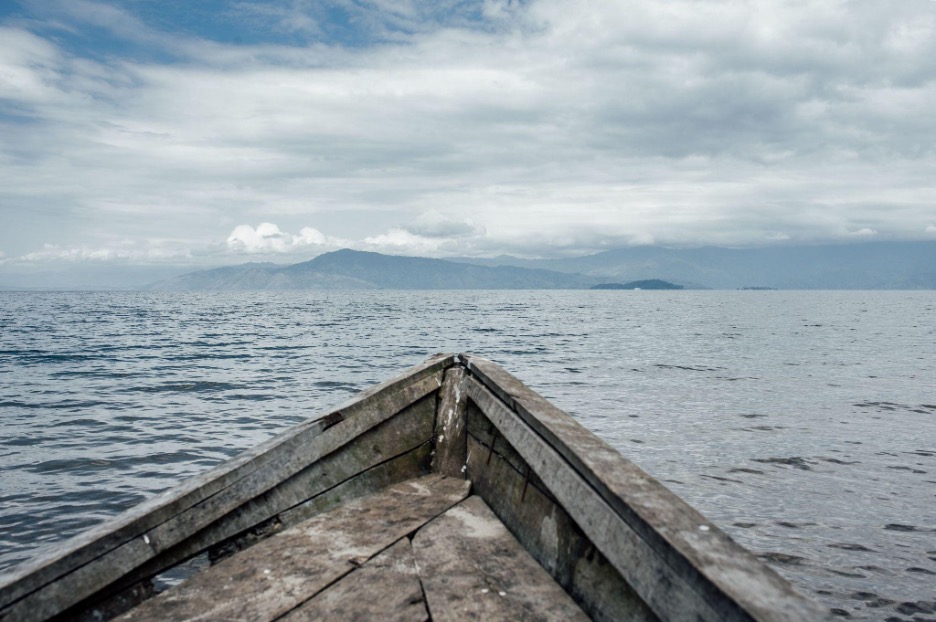
Lake Kivu stretches wide between hills and sky, its surface often so calm it feels reflective in more ways than one. Along its shores, life moves differently. Fishing boats at dawn.
Children walking narrow paths between homes. Farms carved into the landscape over generations.
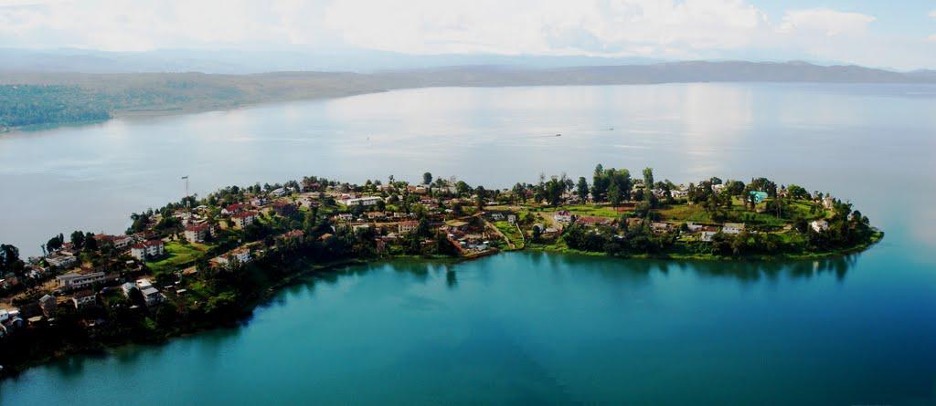
|From here, the journey continues to Idjwi Island.
One of the largest inland islands in Africa, and one of the least understood.
This is not only sightseeing, it's also about shifting perspectives.
You begin to notice rhythm. Community. The way daily life unfolds without urgency.
It is also a place where conservation goes beyond theoretical. Reforestation efforts, local initiatives, and community-led stewardship are actively shaping the future of the land.
Why it Matters
This region offers a rare look at how people and environment can still exist in balance, even under pressure.
Mount Nyiragongo Volcano Trek
About the Experience
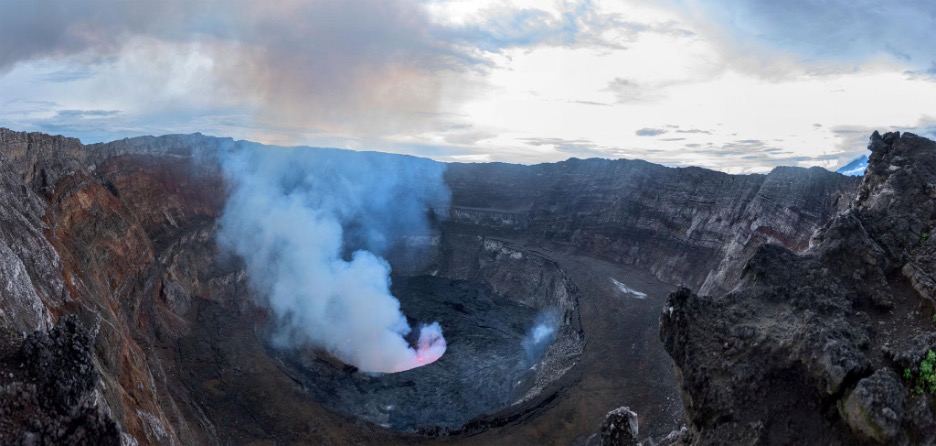
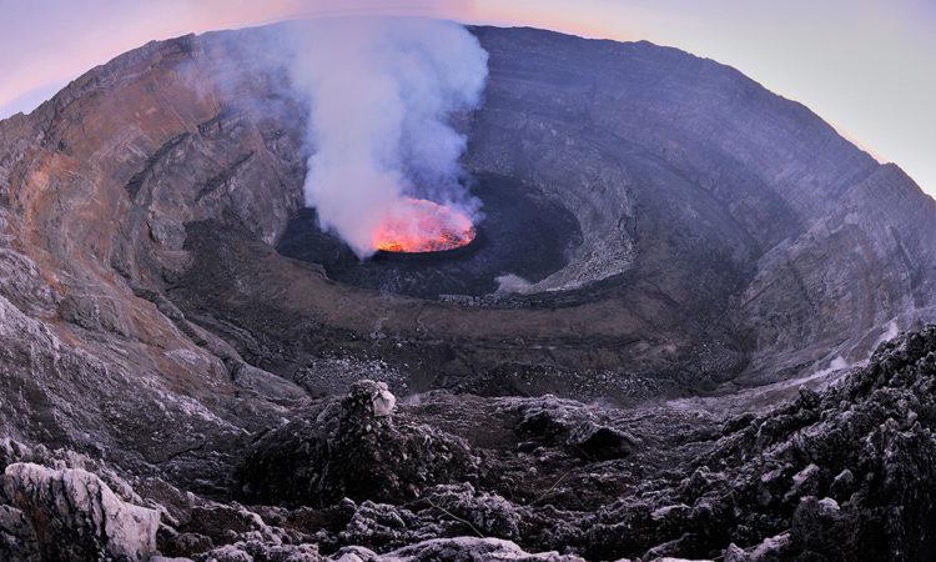
There are very few places on Earth where you can stand at the edge of an active lava lake.
Mount Nyiragongo is one of them.
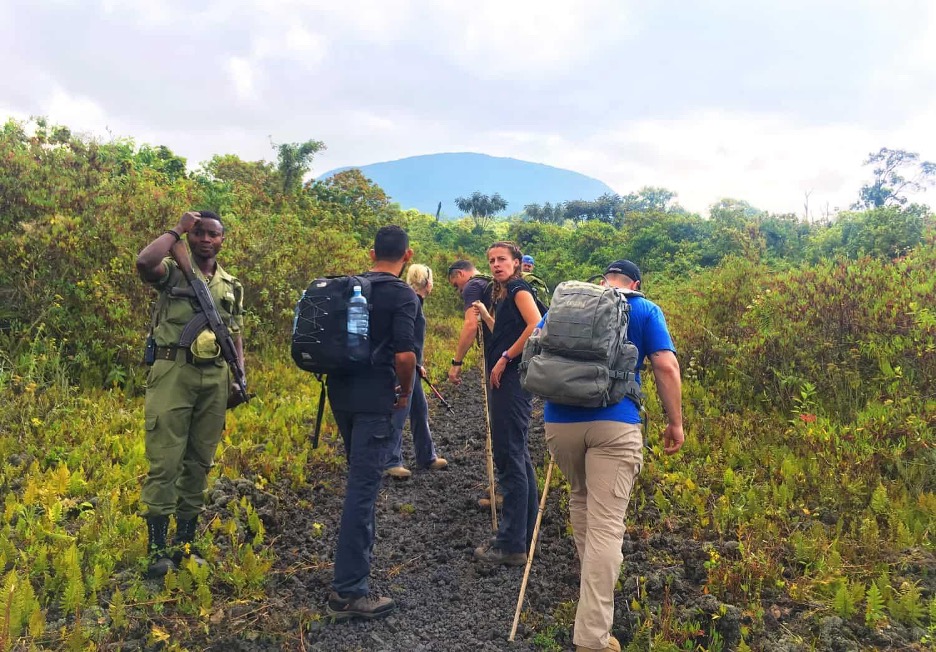
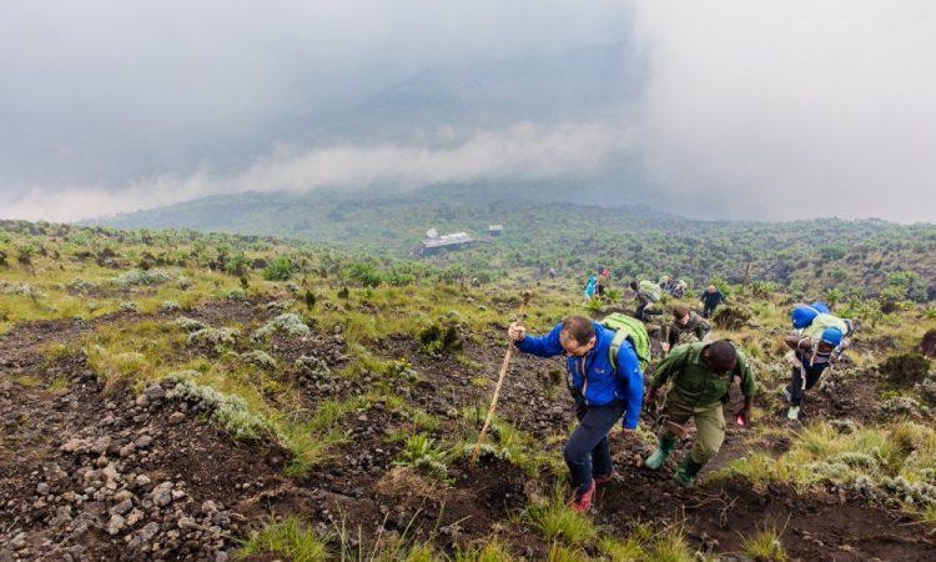
The trek begins just outside Goma and moves upward through shifting terrain. Forest gives way to rock. The air cools. The horizon opens.
And then, at the summit, everything changes.
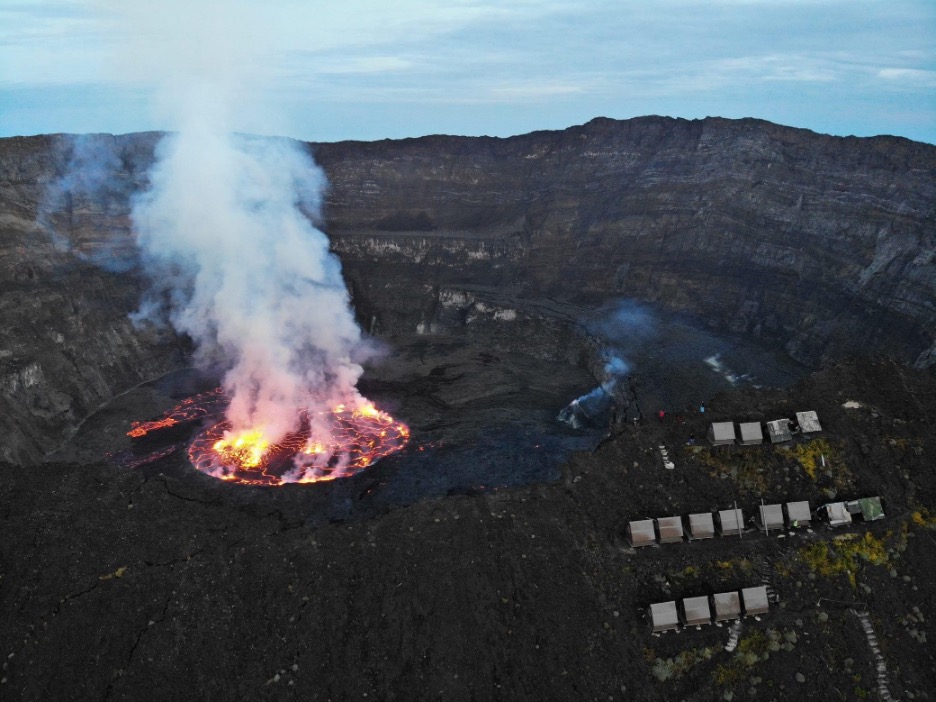
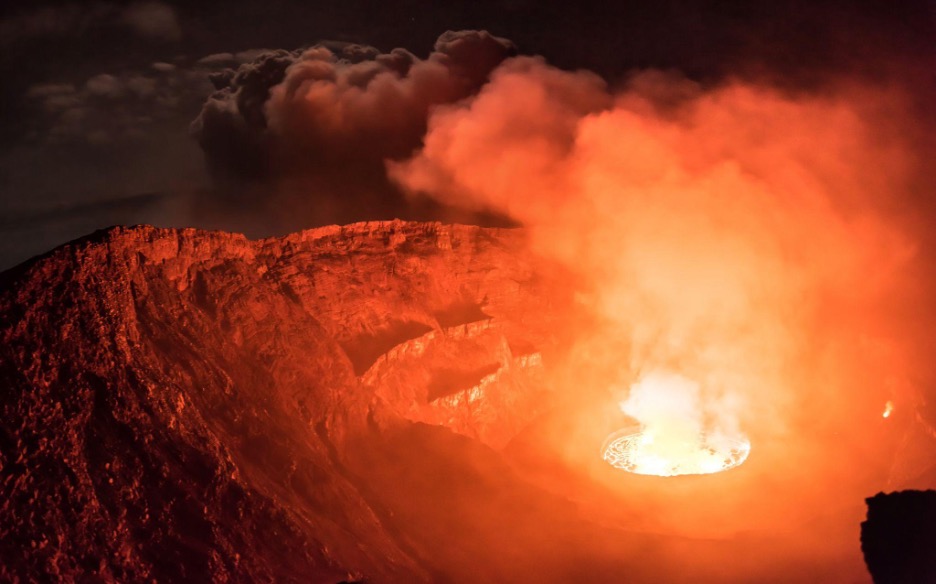
A vast crater. Molten lava moving in slow, constant motion. Light that feels almost unreal after dark.
You stay the night in summit cabins, watching the earth move beneath you.
There is a humbling depth to the entire thing.
It hits deep down at the core.
Why it Matters
Nyiragongo is one of the most active volcanoes in the world. Experiences like this are rare, and they reshape how you understand the planet itself.
Mountain Gorilla Trekking in Virunga National Park
About the Experience
Virunga National Park is Africa’s oldest national park.
It is also one of its most alive.
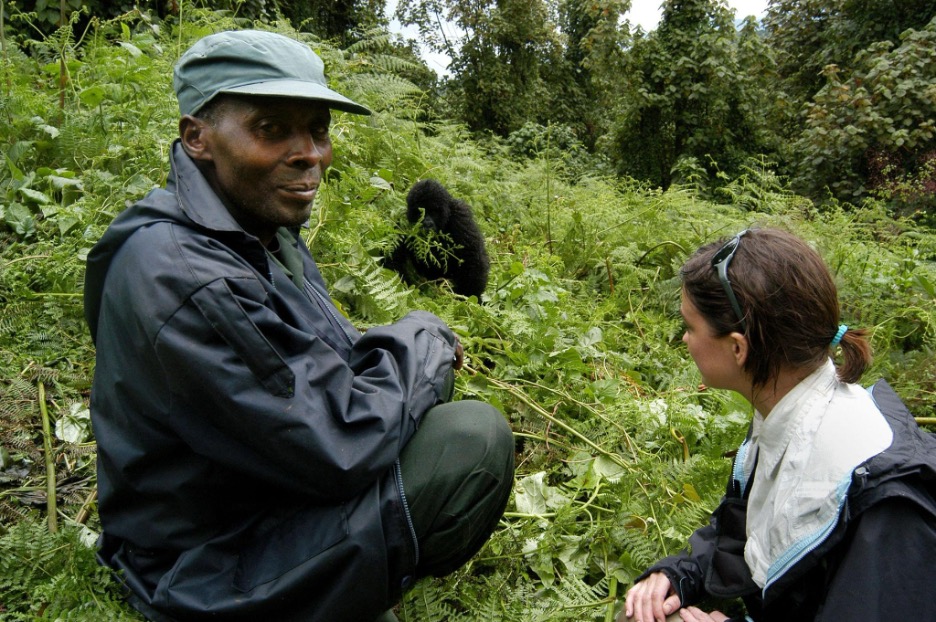
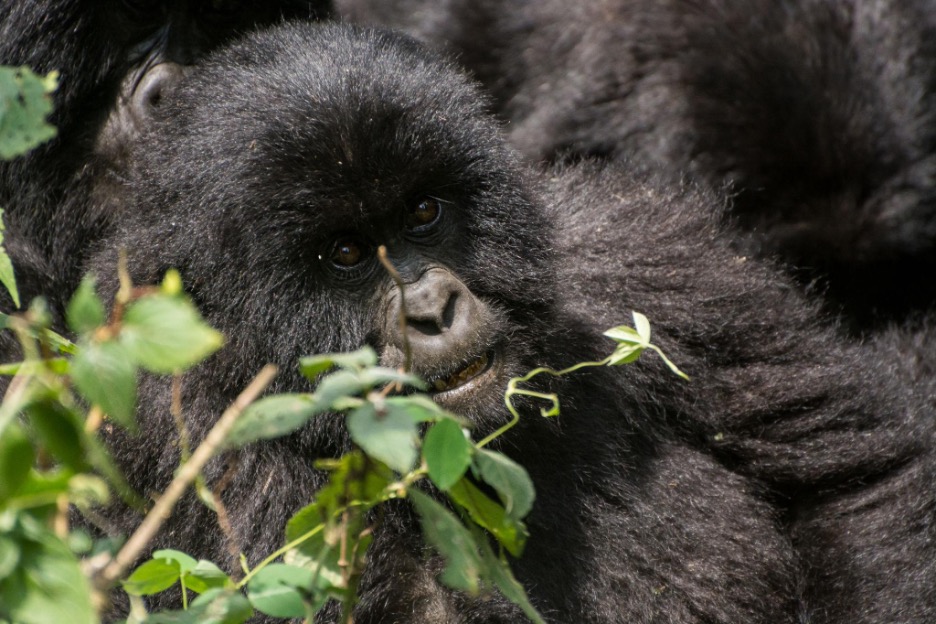
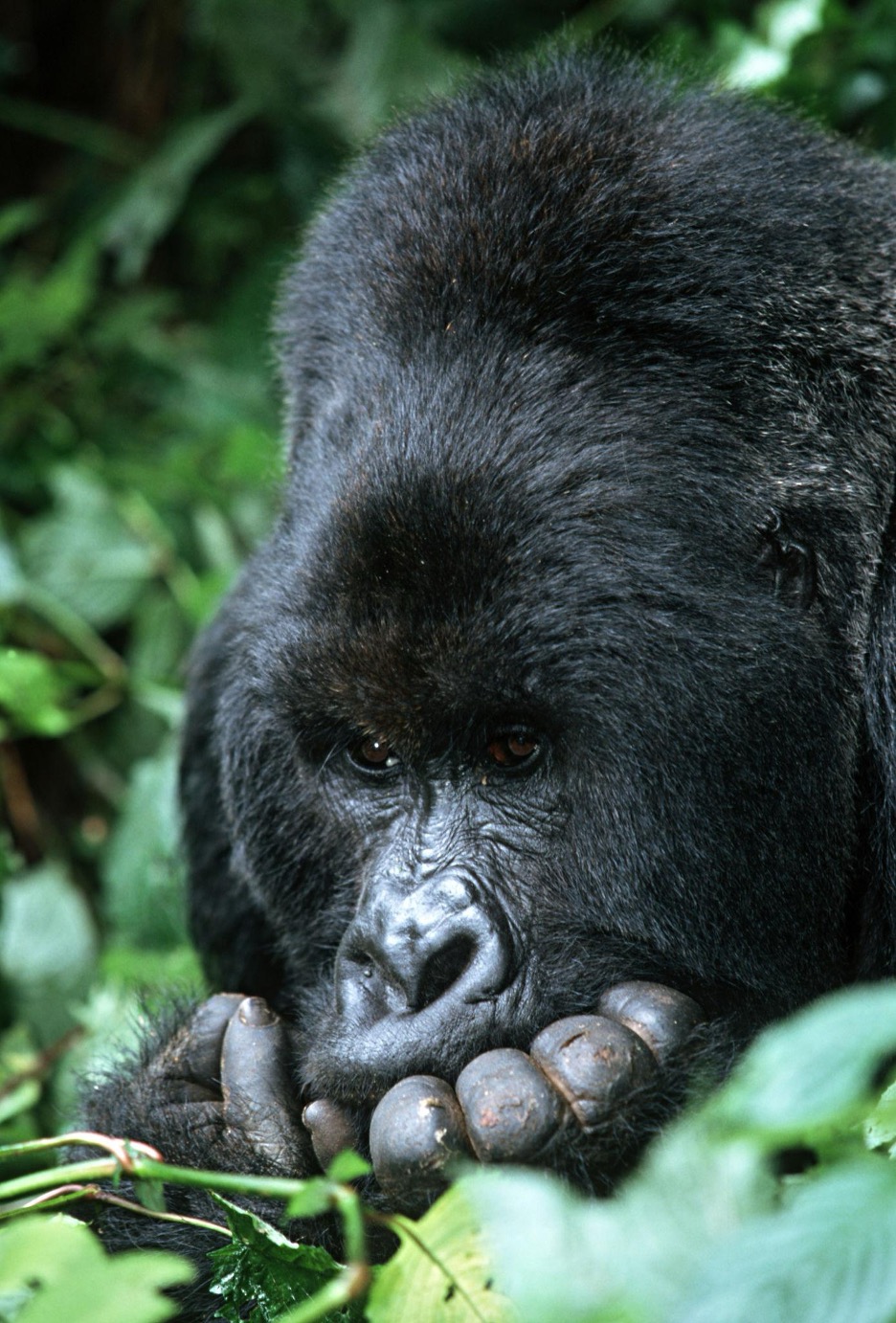
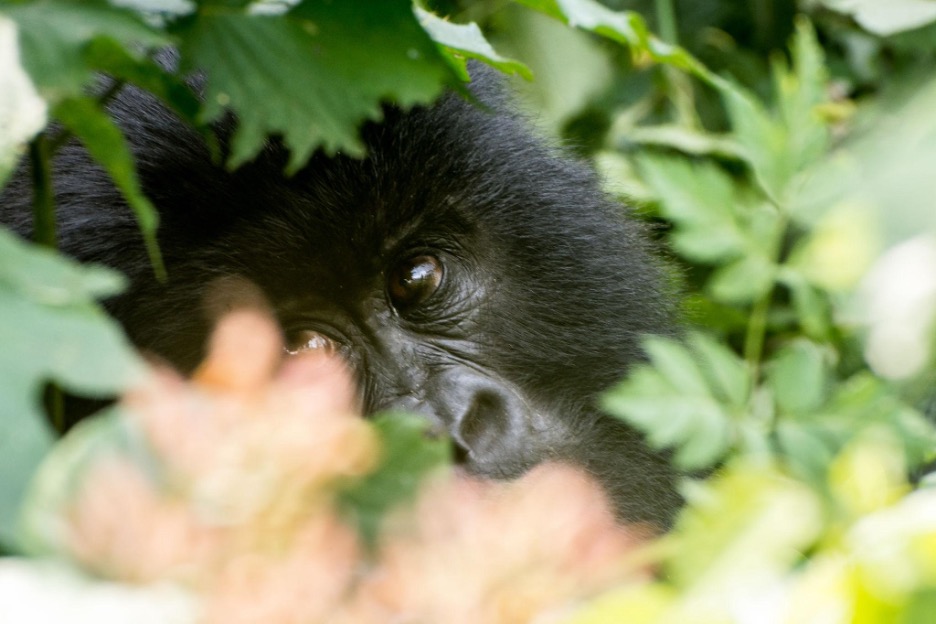
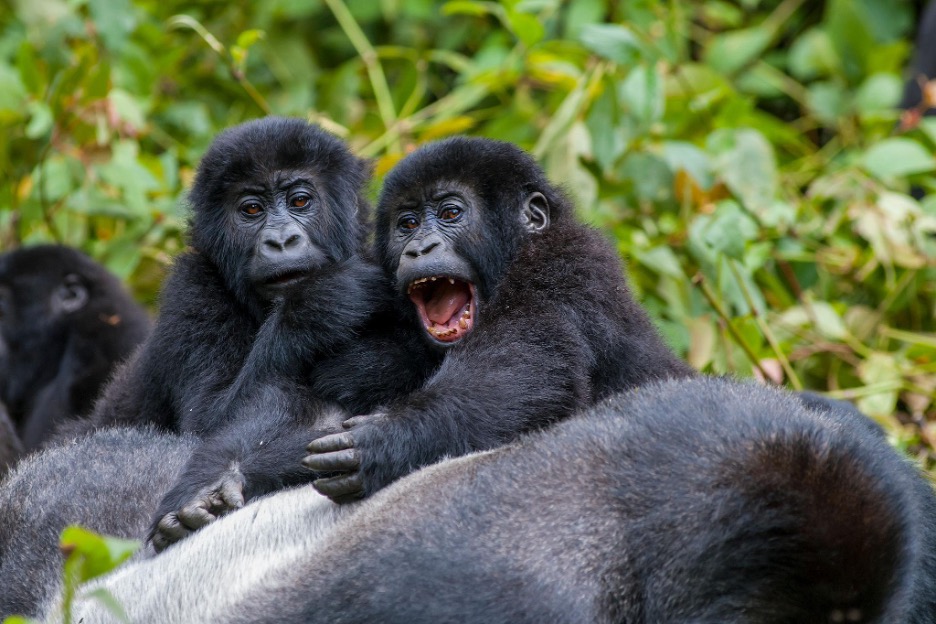
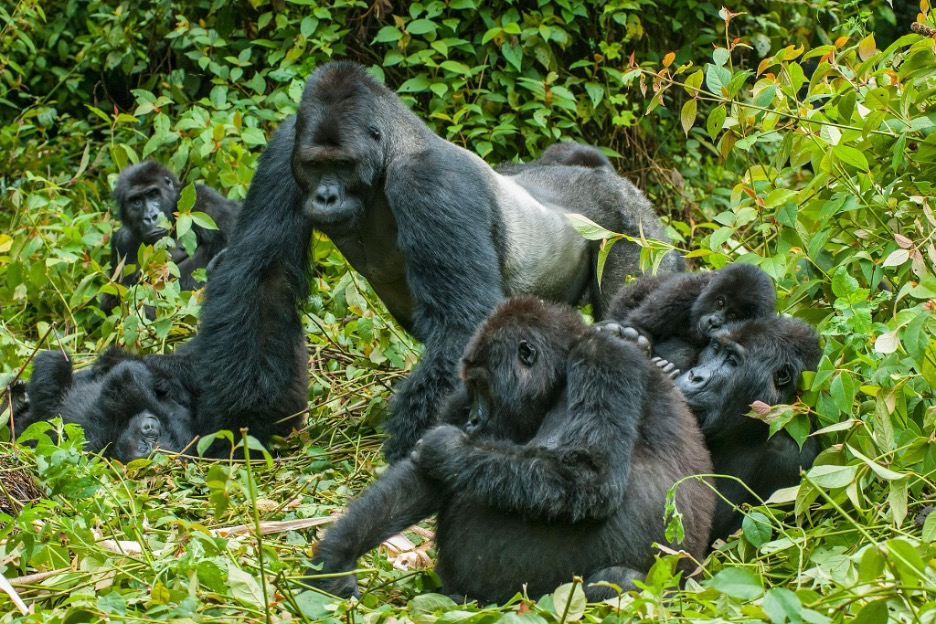
Within its forests live the endangered mountain gorilla.
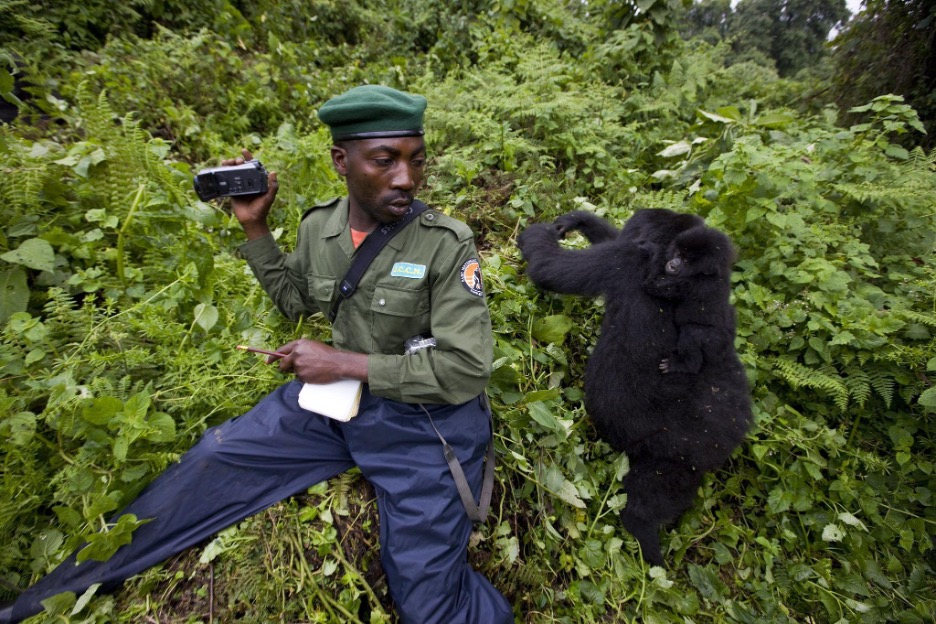
Tracking them is not predictable. Rangers move through dense terrain, following signs, listening, adjusting in real time. The trek can take hours.
Sometimes longer.
And then you find them.
Or more accurately, you are allowed into their space.
There is no performance or staging.
Just proximity.
The time is limited, but something shifts in those moments. The way you see animals. The way you understand connection.
Why it Matters
Gorilla trekking is carefully managed to protect the species while allowing a rare and meaningful human encounter.
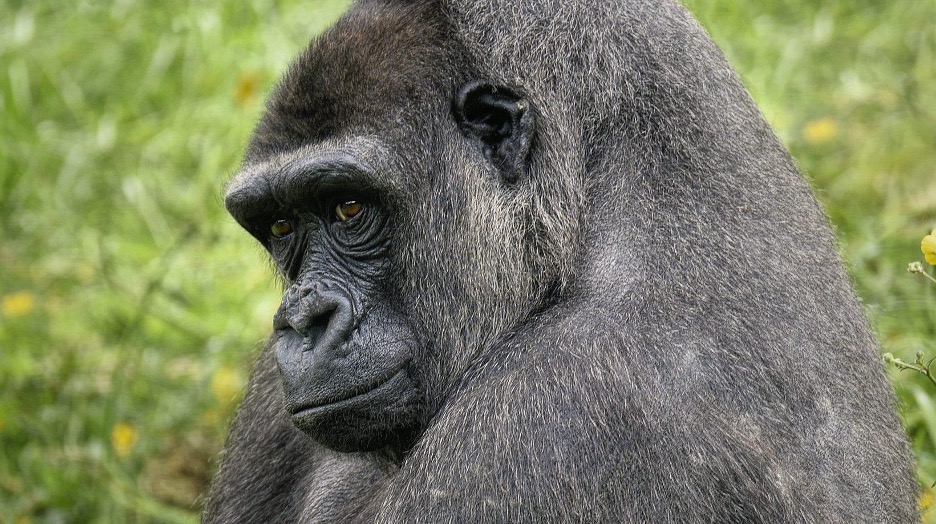
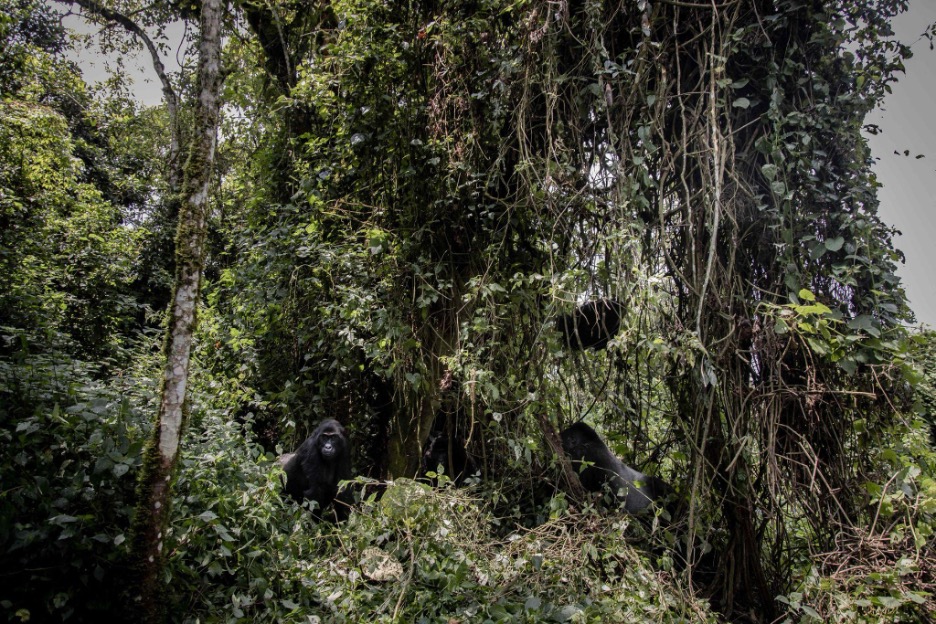
Grauer’s Gorilla Trekking in Kahuzi-Biega National Park
About the Experience
Further south, in Kahuzi-Biega National Park, another kind of encounter awaits.
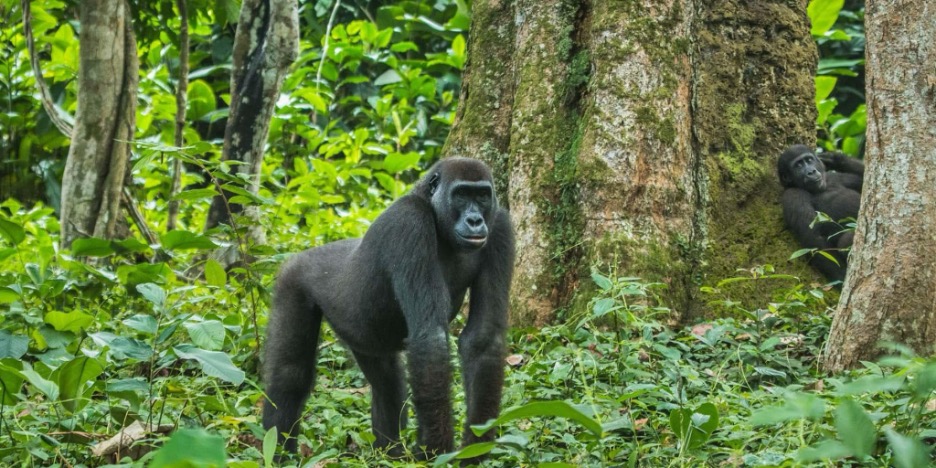
The Grauer’s gorilla.
Larger. More elusive. Found only in this part of the world.
The forest here feels different. Denser. Quieter. Less traveled.
Tracking these gorillas requires patience. Attention. A willingness to move at the pace of the environment.
When you find them, the experience is less about observation and more about awareness.
You are deep inside an ecosystem that still holds its complexity.
And you can feel it.
Why it Matters
Grauer’s gorillas are critically endangered. Visiting responsibly supports the protection of one of the rarest primate populations on Earth.
A Note on Travel
Expeditions in Congo are best undertaken with experienced local operators.
Conditions can shift. Infrastructure varies. Access to certain regions may require permits, coordination, and local knowledge that cannot be improvised.
Working with organizations like Kumbu Kumbu Tours helps ensure that travel is:
● responsible
● informed
● respectful of both people and place
This is the opposite of mass tourism.
And that is exactly the point.

Promoting the beauty, tourism, and conservation of the Democratic Republic of Congo.
Information
Contact
Local knowledge. Real connections. Responsible travel.
© 2026 Visit Congo Now. All rights reserved.